
Investing in Reliability: Upgrading a Critical Transmission Connection
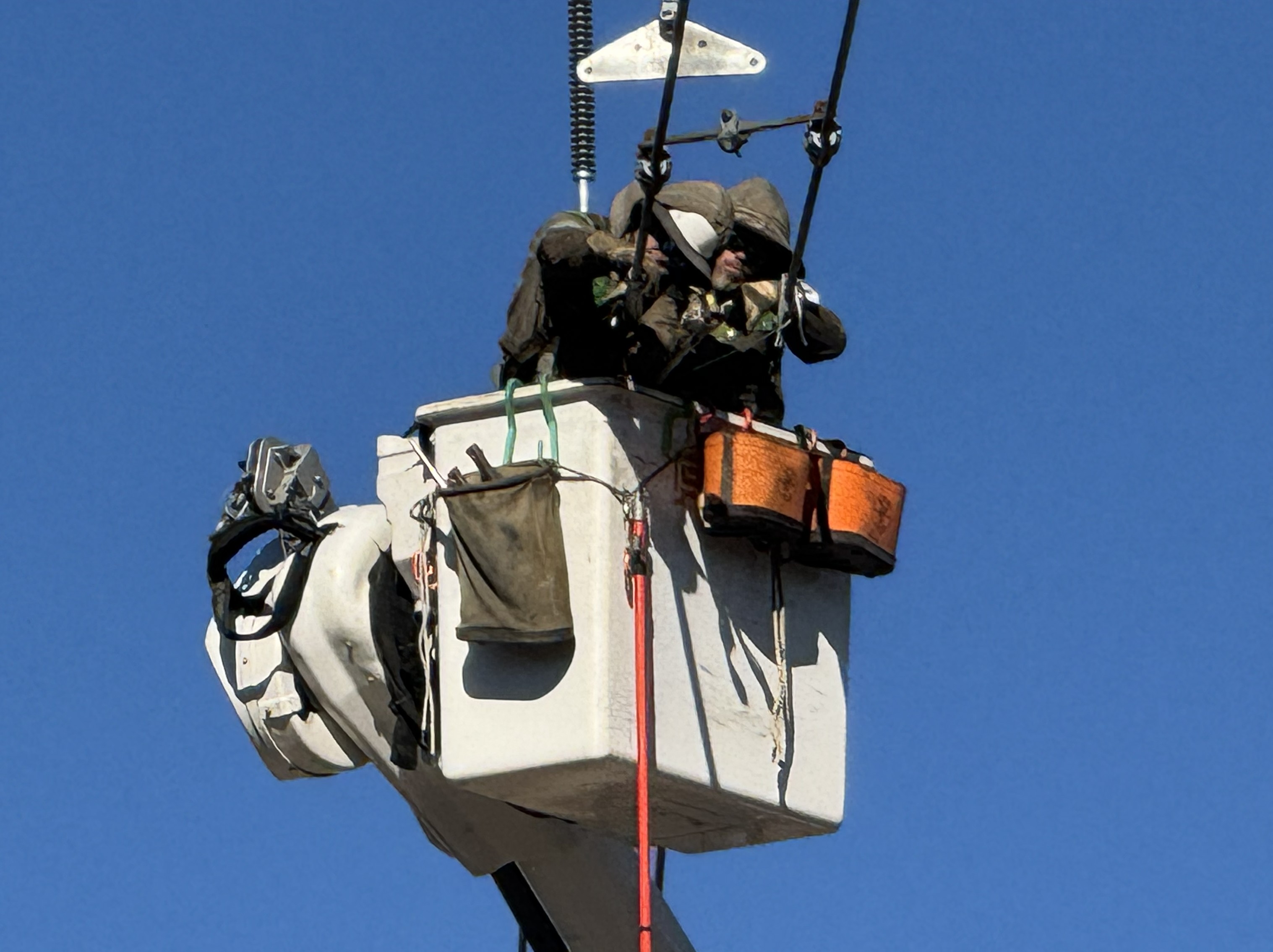
Versant Power crews and contractors will continue work this year on a long-term transmission reliability project designed to strengthen one of the region’s most important power corridors.
The project focuses on the Maine Electric Power Company (MEPCO) transmission system, a 345-kilovolt transmission corridor that stretches from Wiscasset, Maine, to New Brunswick, Canada. Jointly owned by Versant Power and Central Maine Power, the line serves as one of the key transmission connections linking New England and Atlantic Canada.
Versant Power maintains approximately 100 miles of the corridor from Orrington to the Canadian border at Orient, Maine, helping ensure electricity can move reliably across the region as energy needs change throughout the year.
Constructed in 1969, many of the line’s original wood structures have served reliably for more than five decades. Today, a comprehensive replacement program is underway to modernize the corridor and prepare it for the future.
Over a 15-year period, approximately 720 transmission structures will be replaced, with about 50 structures upgraded each year. The project began in 2025 and enters its second construction season this year.
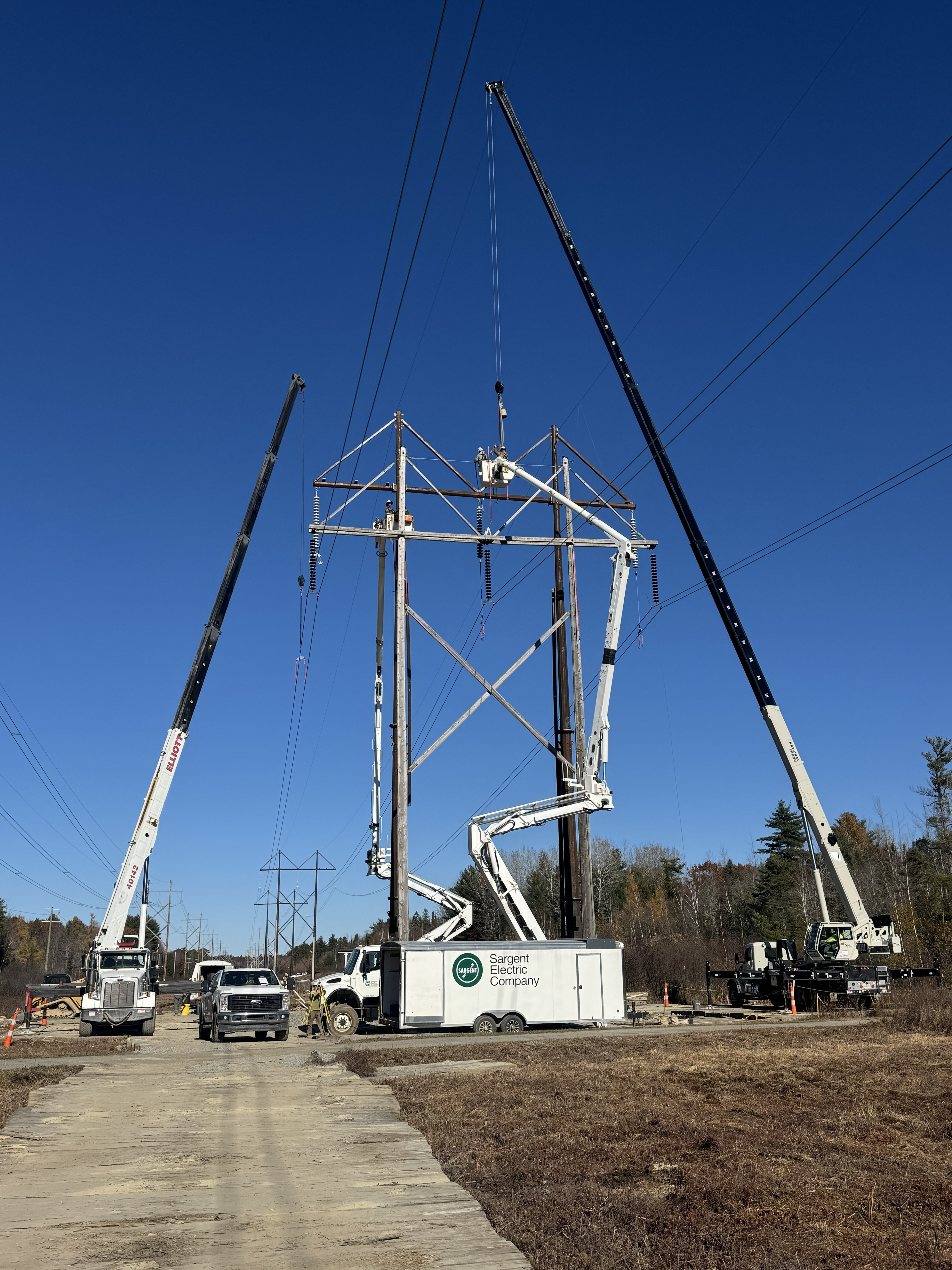
As part of the upgrade, aging wood structures are being replaced with steel poles. While steel structures require a larger upfront investment, they offer a longer service life and are less vulnerable to issues such as decay, weathering and woodpecker damage.
“This is a proactive investment in the long-term reliability of the transmission system,” said Gil Paquette, Manager of Transmission & Distribution Construction at Versant Power. “We’re replacing infrastructure before it reaches the end of its useful life and building a stronger system for future generations.”
The new structures are also being designed with future needs in mind. While the existing conductors will remain in place, the upgraded structures are engineered to support larger transmission conductors if future system demands require additional capacity.
Another important enhancement involves the installation of strategically placed “dead-end” structures. These specialized structures help limit the potential for cascading failures by dividing the transmission line into sections. In the event of severe weather or a major equipment failure, these structures can help prevent damage from spreading across long stretches of the line.
The importance of this type of design became clear during the historic Ice Storm of 1998, when miles of transmission structures in parts of the Northeast collapsed under extreme ice loading. Today’s transmission planning incorporates lessons learned from events like those to build a more resilient grid.
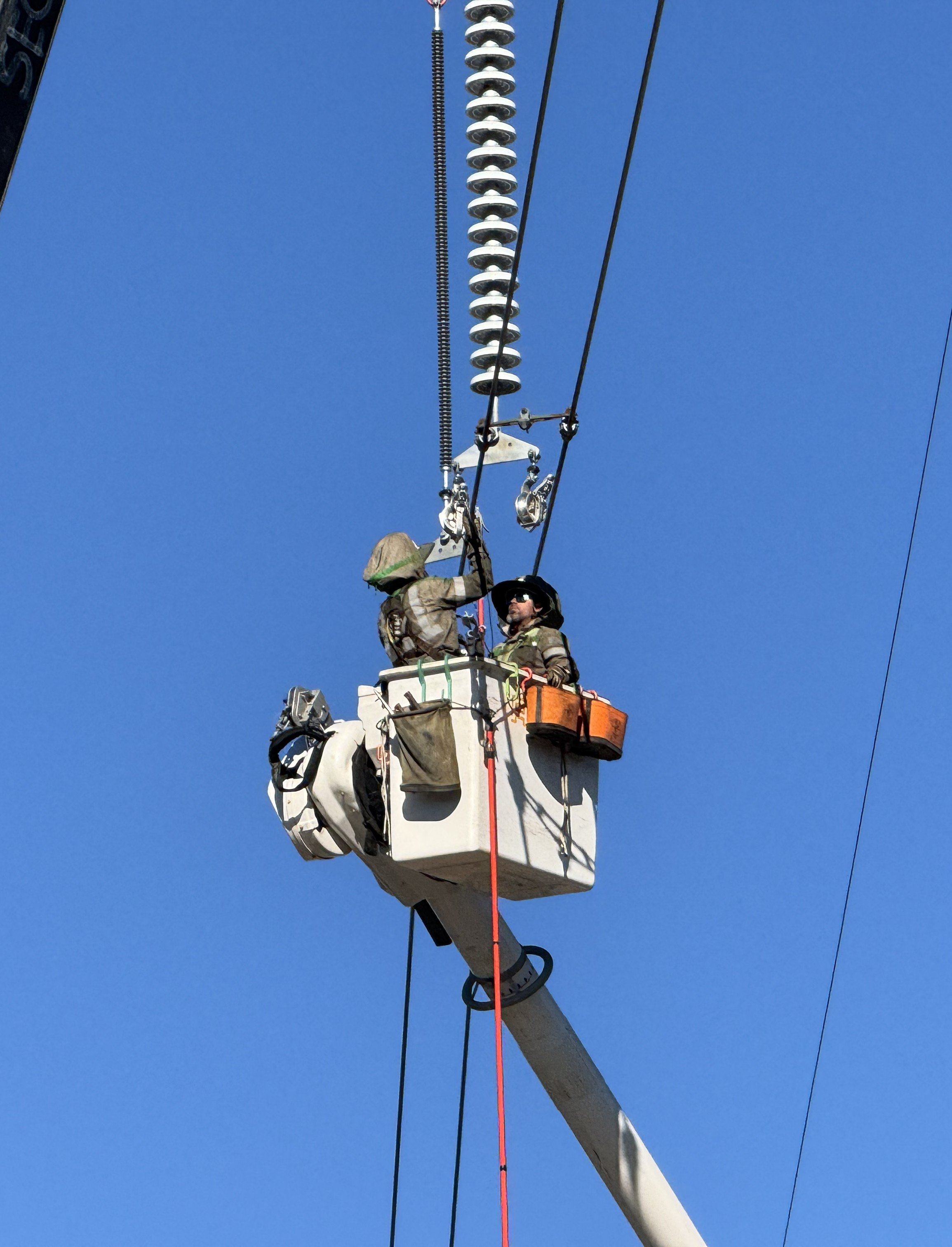
Construction this year will focus on the northern portion of the line near the Canadian border and continue moving south. One of the most specialized aspects of the project is the use of “barehand” techniques that allow highly trained lineworkers to work directly on energized transmission lines. To support this portion of the project, Versant Power is partnering with Sargent Electric Company, whose crews bring extensive expertise in live-line transmission work.
“Barehand work is one of the most specialized capabilities in our industry. It takes tremendous training, preparation and discipline, and above everything else, an uncompromising commitment to safety,” said Dana Cameron, Area Manager – NE Utility at Sargent Electric Company. “Programs like this are built around skilled people who trust each other and take pride in doing the work the right way. We’re proud to partner with Versant Power and to work alongside a team that shares those same values and commitment to safely executing this critical work.”
The technique is often explained using the familiar “bird on a wire” analogy. A bird can safely sit on a power line because it is not grounded. Similarly, lineworkers wear conductive protective suits known as Faraday suits and work from insulated aerial equipment, allowing them to safely perform work while electricity continues flowing through the line. By performing this work on energized facilities, crews can complete critical upgrades while maintaining reliability and minimizing impacts to customers.
Extensive planning is conducted months in advance with regional grid operators to ensure electricity continues to flow through alternate transmission paths when needed. Customers are not expected to experience service interruptions as a result of the project.
While most customers may never see the work taking place along this remote transmission corridor, they benefit from it every day. The MEPCO transmission system plays an important role in moving electricity across the region, helping ensure power is available when and where it is needed.
As energy needs continue to evolve, projects like this help strengthen the backbone of the electric system—improving reliability, enhancing resilience and preparing the grid to serve customers well into the future.