
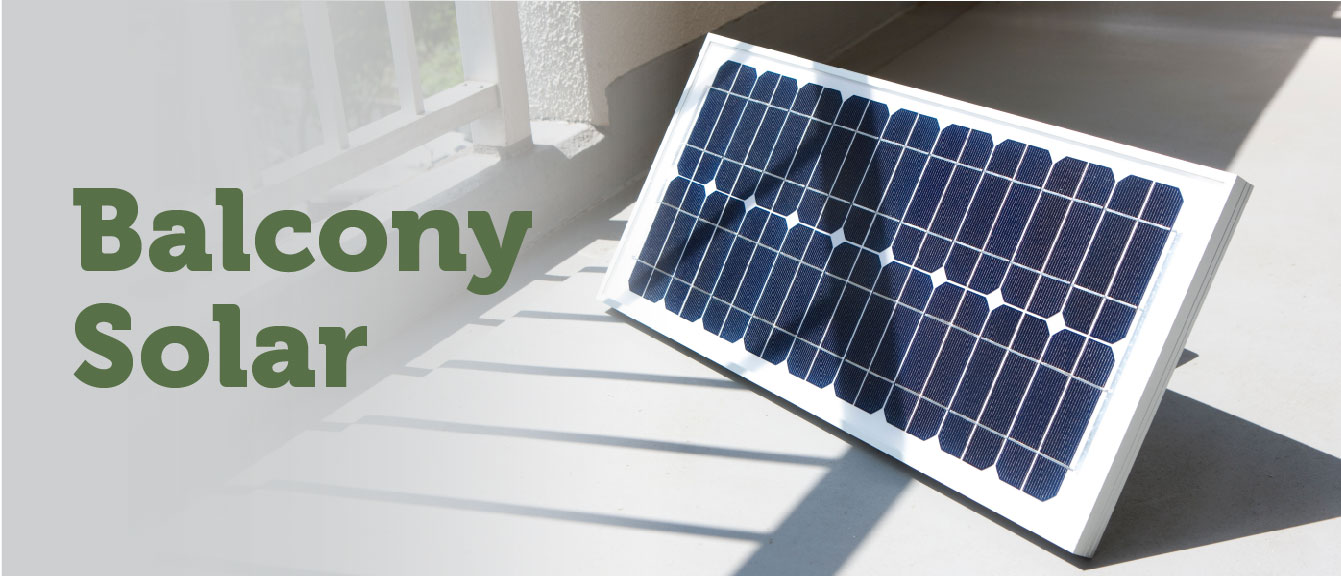
Maine’s new plug-in solar law allows the use of small, plug-in solar systems (sometimes called “balcony solar”) with an export capacity of 1,200 watts or less. These systems are designed to connect directly to a standard electrical outlet and help offset a portion of a home’s electricity use.
You may install one or more eligible systems with a combined inverter output up to 420 watts per service address. No utility notification is required.
You may install plug-in photovoltaic or plug-in battery systems between 420 watts but no more than 1,200 watts as long as each system is installed by a licensed electrician, uses a dedicated circuit with a single outlet, and you notify Versant Power within 30 days of installation.
You can find a link to the form on the Maine Public Utilities Commission’s Plug-In Solar page. Email your completed form to dginterconnections@versantpower.com or mail to Versant Power c/o DG Interconnections, PO Box 932, Bangor, ME 04402.
Versant Power supports innovation and customer choice, but it’s crucial that customers understand key safety and compliance considerations before purchasing or installing plug-in solar. Improper installation or use may cause fire, shock or equipment damage.
Safety and compliance come first
Plug-in solar systems must be installed and used in accordance with all applicable electrical codes and manufacturer requirements.
Before installing a system:
- Ensure the equipment is certified and approved for use in the U.S.
- Follow National Electrical Code (NEC) and State of Maine requirements.
- Consult a qualified electrician if you’re not sure about compatibility with your home’s electrical system.
- Avoid using damaged equipment or improper connections
Making a purchase
Ask the seller:
- Is this product UL-listed or certified for plug-in use?
- Does it comply with Maine and national electrical codes?
- What protections are included to prevent unsafe conditions?
- Has this product been approved for use by utilities in the U.S.?
Limitations of plug-In solar
Plug-in solar systems are not the same as rooftop solar and have important limitations:
- These systems are generally intended to reduce on-site electricity usage only.
- They are not designed to export power back to the electric grid.
- Customers using plug-in solar should not expect to receive bill credits or participate in Net Energy Billing
- System size and output are limited compared with professionally installed solar arrays.
Power quality & system impacts
Even small plug-in solar systems can affect your home’s electrical system.
Potential considerations include:
- Circuit loading and wiring limitations
- Interaction with other devices on the same circuit
- Potential impacts to power quality if improperly installed
Customers are responsible for ensuring their system does not create unsafe or non-compliant conditions.
Versant Power’s role
- Versant Power does not install, inspect or approve plug-in solar systems.
- We require all customer-owned equipment to comply with applicable codes and safety standards
- If a system creates a safety hazard or affects electric service, Versant Power may take action, including disconnection of service if necessary to protect public safety.
- Customers who install systems between 420 and 1,200 watts must notify Versant Power.