
Powering the Future at the University of Maine
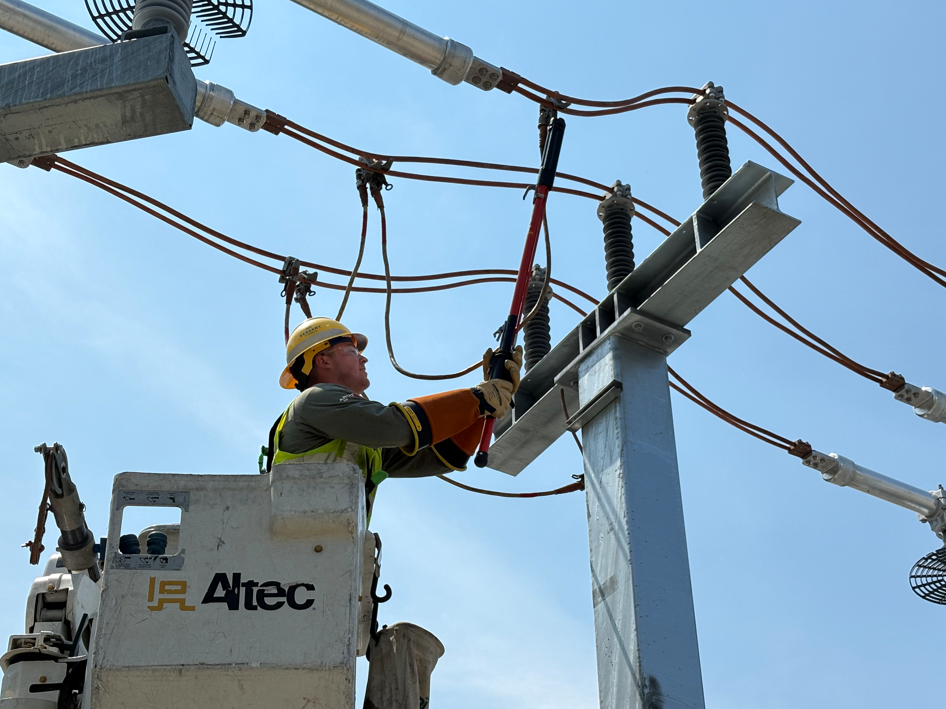
As the University of Maine continues to grow, so do its energy needs. From new academic facilities and athletic complexes to cutting-edge research, the university is expanding at a rapid pace. Behind that growth is a major electrical infrastructure upgrade made possible through a partnership with Versant Power.
The project centers around connecting the university’s new Power Distribution Center (PDC), providing the electrical capacity needed to support campus for years to come. The first facility to benefit is the university’s new GEM building, home to what will be the world’s largest 3D printer—a project requiring significantly more electrical capacity than the university’s existing system could provide.
But the investment goes far beyond a single building.
“The university is currently expanding,” said Blaine Williams, Facilities Electrical Engineer for the University of Maine. “We have a long-term plan that includes new residence halls, additional academic facilities and athletic projects. This upgrade is really about serving all of those future electrical needs.”
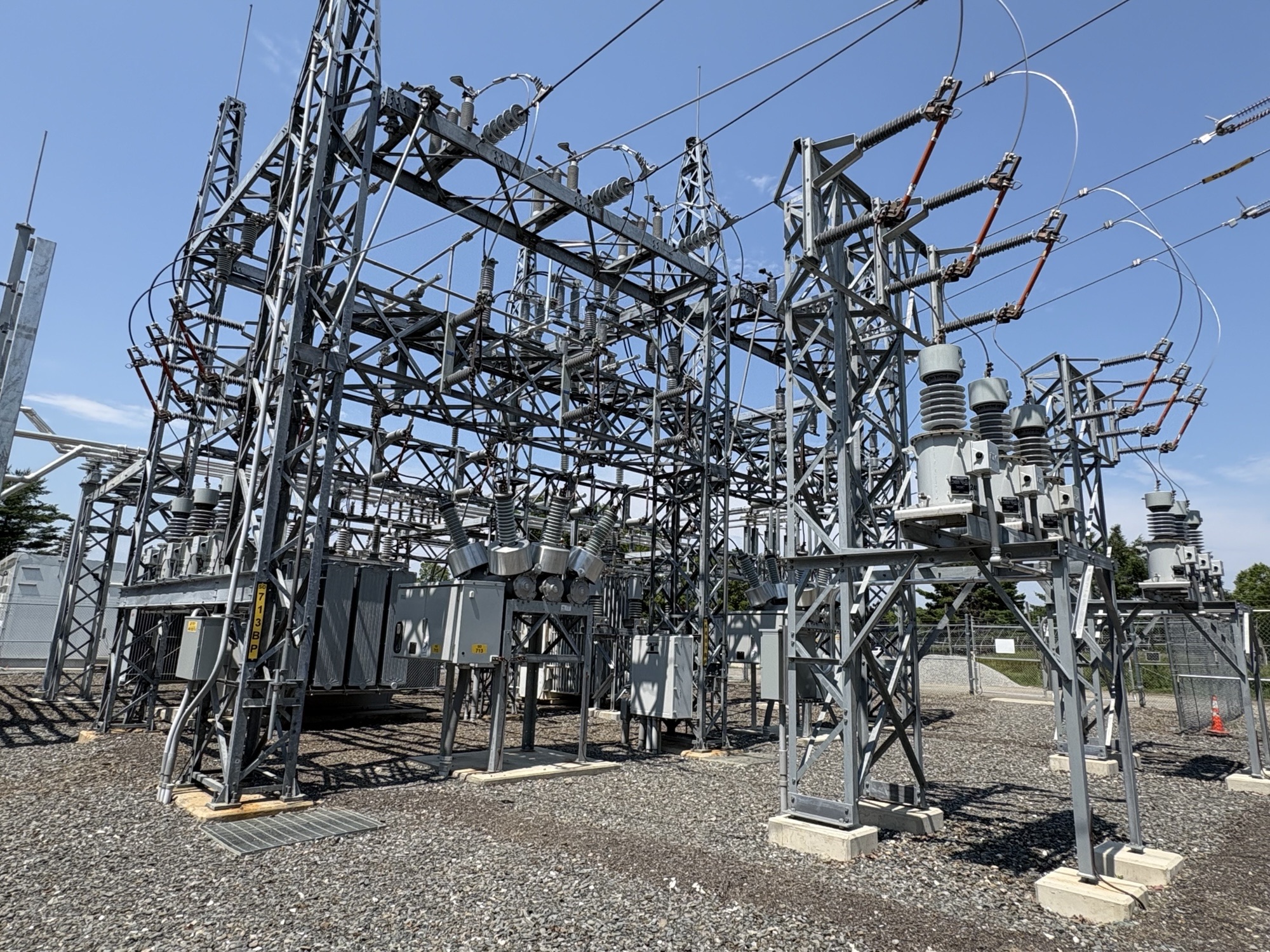
A partial view of the new upgraded substation.
Building for reliability and growth
For a campus that never truly sleeps, reliable power is essential.
Beyond classrooms and residence halls, the University of Maine supports critical research laboratories where specialized equipment and ultra-low-temperature freezers require uninterrupted power. Even a prolonged outage could have significant consequences for years of research.
To maintain that reliability, the project also expands the university’s contingency capabilities.
As part of the work, Versant upgraded the site so the company’s larger 30 MVA mobile substation can now be deployed if maintenance or an unexpected outage occurs. That added flexibility allows the university to restore power more quickly should a major issue arise.
“We have research that depends on continuous power,” Williams explained. “If we ever had a major issue, we need a way to get the campus back up and running as soon as possible.”
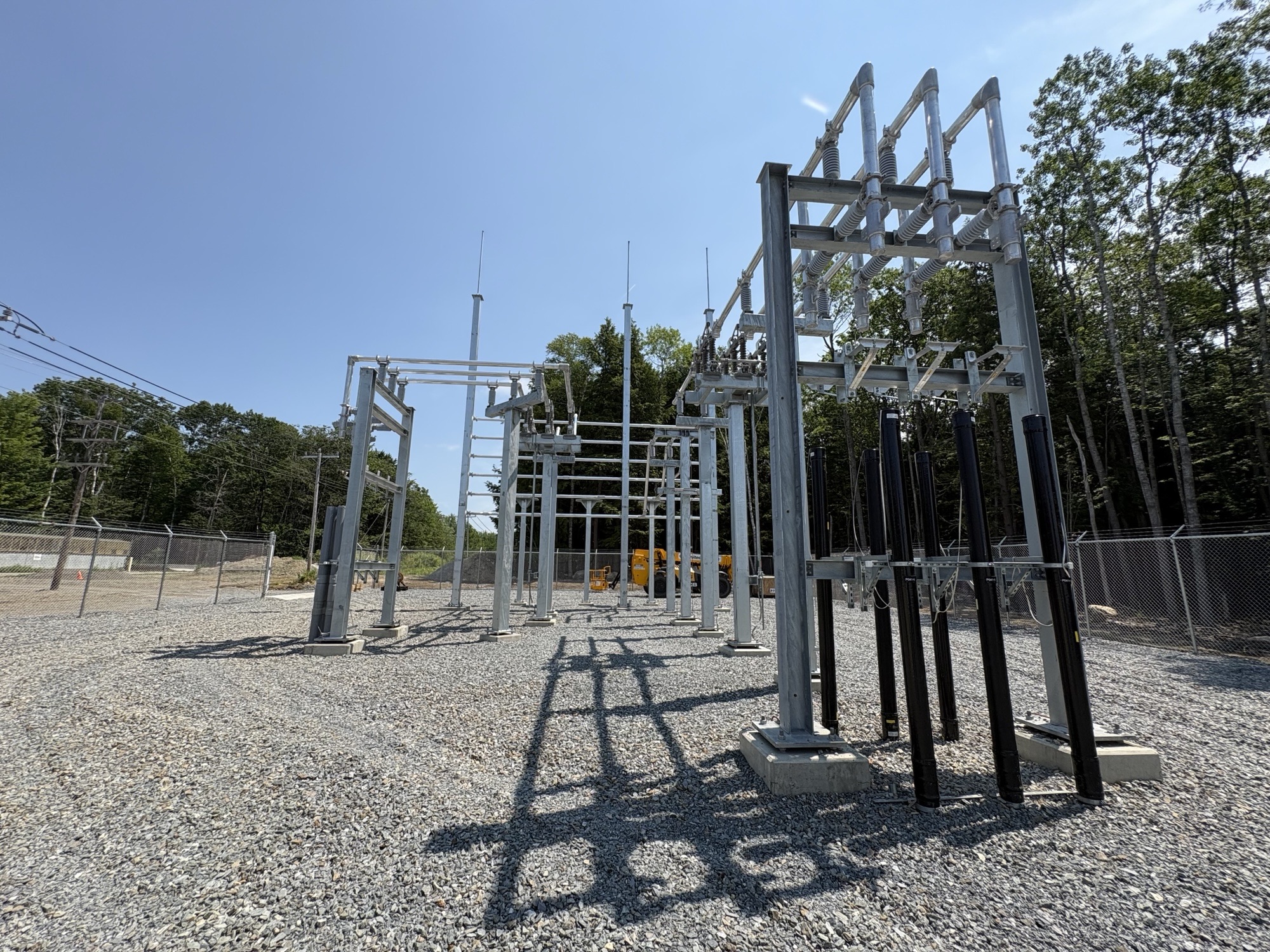
A permanent build-out for Versant's mobile substation to connect. This will allow for the campus to remain online in case of needed repairs or emergencies.
Finding a creative solution
While the finished project may appear straightforward, getting there required careful planning.
The university’s existing equipment remained responsible for powering campus throughout construction, meaning it couldn’t simply be taken offline while the new system was connected.
Instead, Versant’s engineering and field teams developed an innovative approach that allowed the new infrastructure to be connected without interrupting service.
“The University of Maine came to us because they wanted to install a new power distribution center, but their existing equipment was still supplying power to campus,” said Rob Cody, Project Manager at Versant Power. “Our team had to come up with a creative solution that allowed us to tie into the existing system while keeping the university energized throughout construction.”
Preparing for tomorrow
Today’s project is also laying the groundwork for tomorrow.
Currently, the upgraded substation serves roughly two-thirds of campus. Once additional work is completed and campus circuits are transferred to the new equipment, the university expects to retire one of its aging substations and eventually transition to a higher-voltage distribution system capable of supporting continued expansion.
“As new buildings are constructed, they’re built to newer codes and require more electrical demand than our existing buildings,” Williams said. “This project helps prepare us for that future.”
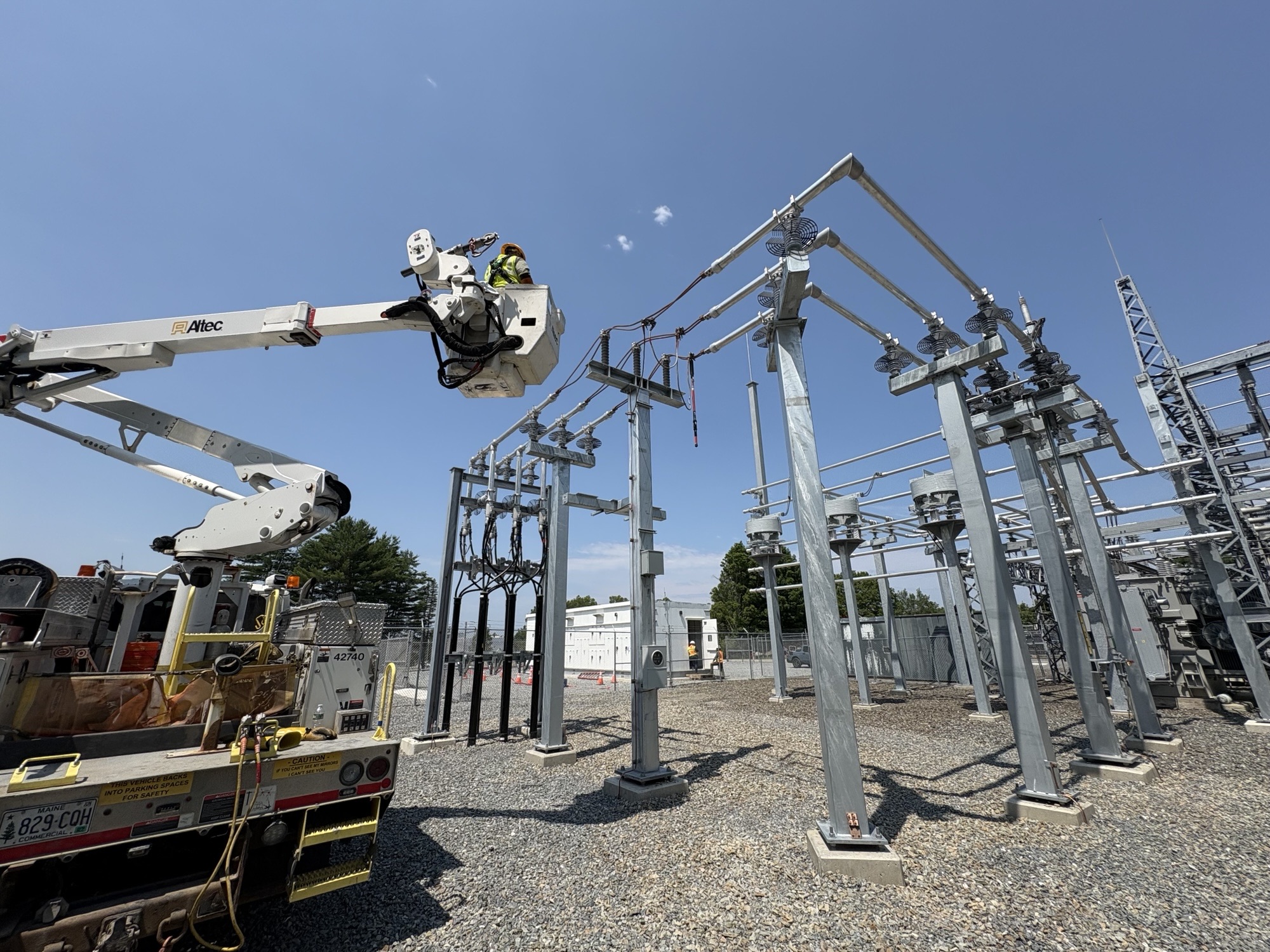
Versant Power crews work at the new substation.
A Collaborative Effort
Projects of this scale require close coordination between the University of Maine and Versant Power. Throughout the planning and construction process, both teams worked together to keep power flowing while preparing the campus for future growth.
“Our interactions with the Versant crews have always been very professional,” Williams said. “They work efficiently, they clearly take safety seriously, and they’ve been willing to do whatever it takes to help make this project successful.”
As the University of Maine continues to invest in innovation, research and student life, projects like this one ensure the electrical infrastructure is ready to grow alongside it. Behind the scenes, Versant Power’s engineers and field crews are helping build the reliable foundation that will support the university’s next generation of students, researchers and discoveries.