Seeing Problems Before They Become Outages
A piece of electrical equipment can look perfectly normal and still be dangerously close to failure. That’s where infrared technology gives Versant Power crews a different view.
Each summer, Versant Power crews use infrared technology to inspect portions of the electric system, looking for equipment that is running hotter than it should. Those hot spots can be an early warning sign of a developing problem — giving crews an opportunity to make repairs before equipment fails and potentially causes an outage.
Infrared cameras detect heat that can't be seen with the human eye. When contaminants, corrosion or other issues create resistance at an electrical connection, the equipment can begin to overheat. By identifying those areas early, Versant can take a more proactive approach to maintenance. Every line section serving 500 or more customers receives an infrared scan each year.
This summer, that technology helped the team make one of its most significant finds yet.
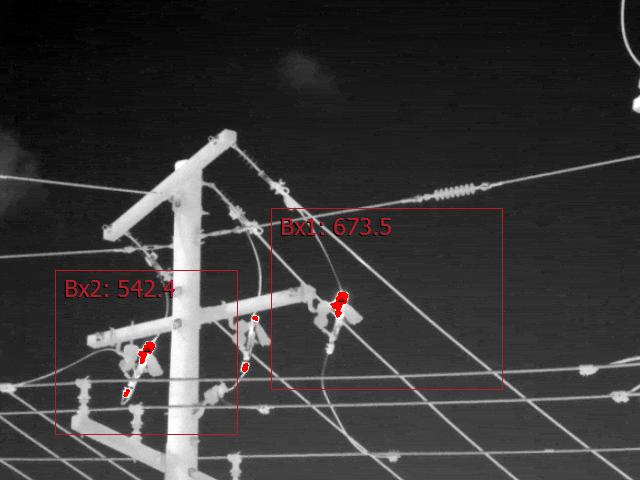
During an inspection near the East Bangor substation, the infrared camera detected a piece of equipment registering approximately 673 degrees Fahrenheit — the hottest temperature the team has recorded through the program. The issue was identified before the equipment failed, allowing crews to replace it through planned work rather than waiting for an unexpected failure that could have interrupted service to thousands of customers.
An innovative idea built for the field
The technology Versant uses today also has a unique connection to the company.
Originally, infrared inspections were performed primarily with handheld cameras, sometimes requiring employees to hold the equipment out a truck window as they traveled the system. Looking for a better way, the team began working with Viper Imaging to adapt one of the company's camera systems for utility use.
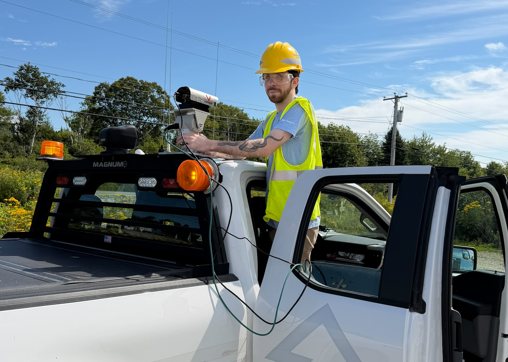
The result is a pan-and-tilt infrared camera mounted on the headache rack of a pickup truck. The system can rotate as employees travel along power lines, allowing them to inspect equipment more efficiently while keeping the camera securely mounted. Versant worked directly with Viper to develop a design that could be moved between vehicles rather than requiring a dedicated vehicle for infrared inspections.
Fleet Manager Aaron Gilman helped develop the mounting system and brought his welding expertise to the project, while Greg Higgins worked closely with a Viper engineer to get the equipment operating to meet Versant's needs.
John Apperson credits the project to a willingness to look for a better way of doing the work. "We're lucky to have a forward-thinking manager like Peter Caron who suggested this equipment," Apperson said.
The difference has been significant. Apperson estimates inspections are now about one-third faster using the truck-mounted Viper system, while handheld infrared cameras remain available for locations crews can't reach by vehicle.
Giving the next generation hands-on experience
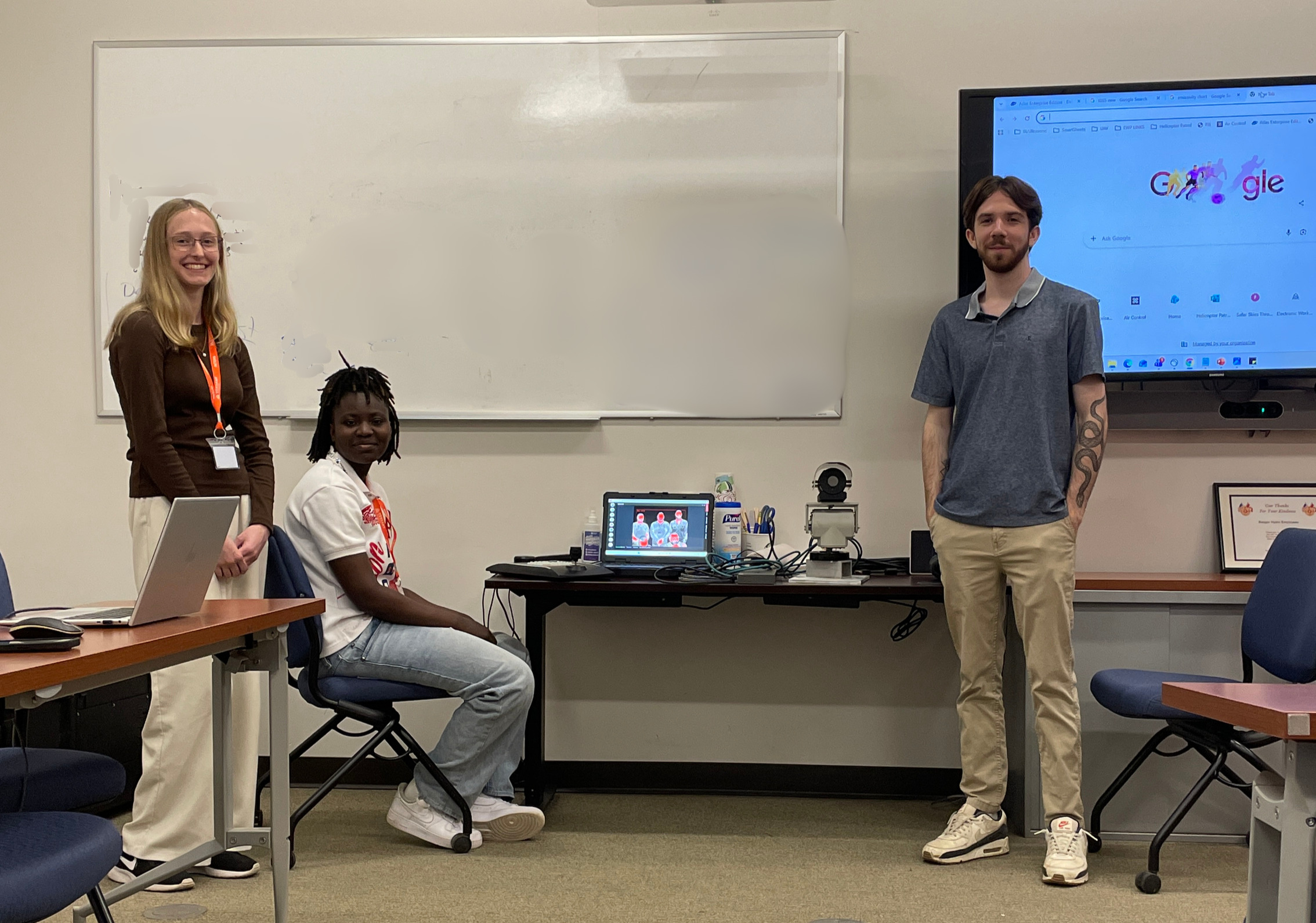
This year's infrared inspection program has also given three University of Maine interns — Vanessa Annan and Connor Burke, studying Electrical Engineering Technology, and Cassidy Radcliffe, studying Electrical Engineering — an opportunity to take part in the work.
The interns have helped monitor the infrared camera system during field inspections, watching for temperature changes that could indicate developing equipment problems. The experience gives them a chance to see both sides of utility engineering: the planning, mapping and engineering work that happens in the office and how that work translates to the electric system in the field.
For Versant, programs like this are ultimately about staying ahead of potential problems. Finding equipment early in the failure cycle can enhance safety and reliability, extend equipment life, reduce unplanned outages and allow maintenance to be scheduled more efficiently.
And sometimes, preventing an outage starts simply by seeing what the human eye can't.